
Technology is a key driver in transforming the circular economy into a competitive industrial model: from urban mining to the recycling of WEEE, from the recovery of agri-food waste to the digitalisation of supply chains, research must go beyond the experimental stage and turn innovation into practical solutions for businesses.
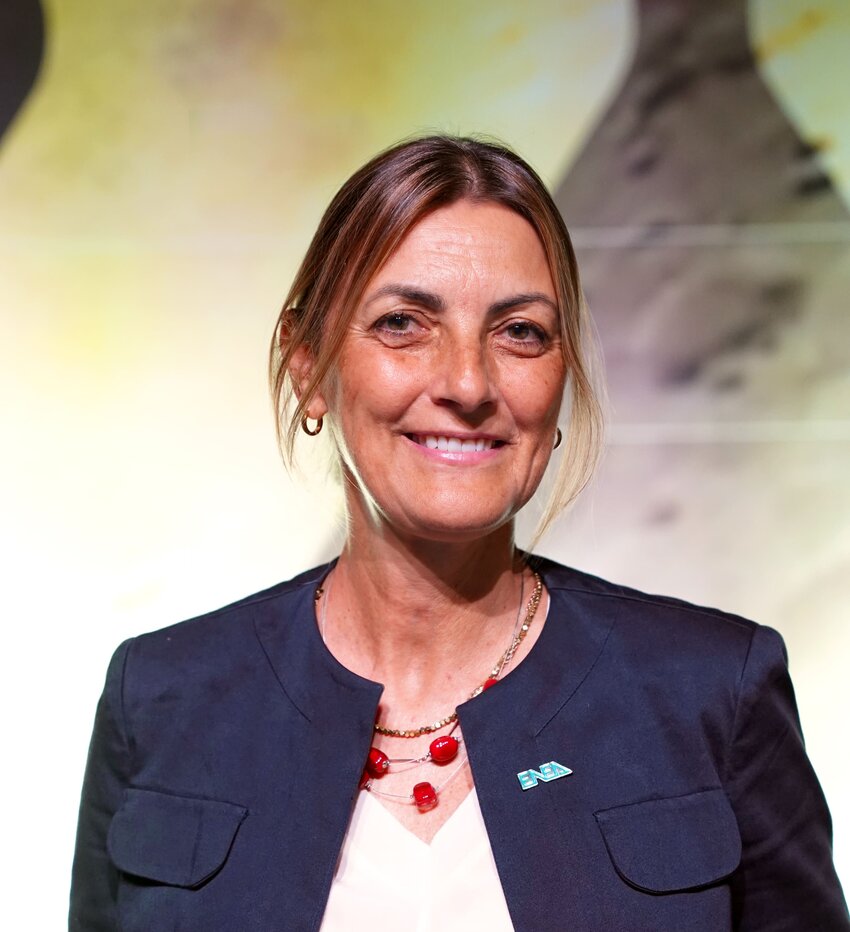
We discussed this with Claudia Brunori, head of the Sustainability, Circularity and Adaptation to Climate Change department within the Production and Territorial Systems (SSPT) division at ENEA, the National Agency for New Technologies, Energy and Sustainable Economic Development.
Italy is among the EU countries with the best performance in the circular economy, but remains heavily dependent on imports of raw materials. Which obstacles are preventing the country from turning its strong recycling results into greater self-sufficiency in resource supply?
Italy boasts excellent recycling capacity, but its dependence on raw materials, especially critical ones, remains high. This dichotomy is caused by several factors.
Firstly, there is a lack of advanced industrial facilities capable of refining and extracting high-purity materials from complex waste streams, often leading to the export of materials intended for recycling. Secondly, regulatory and authorisation processes are complex and slow, compounded by the fragmentation of collection systems and a lack of traceability in resource flows. Finally, product design (ecodesign) is not yet adequately integrated to facilitate the disassembly and recovery of individual components.
Without “complete” national value chains capable of covering the various stages up to the assembly of the finished product, or at least the stages with the highest added value and strategic importance, recycling does not automatically translate into technological and energy sovereignty.
In this regard, what role can technological research play?
Technological research is the driving force that transforms recycling from the simple recovery of materials into a driver of competitiveness, strategic autonomy and sustainability. Its role is not only to develop new technologies but also to support businesses – particularly SMEs – in adopting them by providing expertise, data and infrastructure that reduce the risks associated with innovation.
What are the most promising technologies developed by ENEA?
ENEA offers advanced infrastructure for recycling, urban mining, eco-design and new materials (Critical Raw Materials Technology Hub, PRISMA, MAIA), for traceability, quality and sustainability in agri-food supply chains (METROFOOD), as well as technologies for the sustainable management of water resources (technologies for circular wastewater treatment, the digitalisation of water networks, the recovery of energy and nutrients from sewage sludge, and the reuse of wastewater for agricultural and industrial purposes).
In addition, strategic knowledge tools are in place, such as the Italian LCA Database, essential for measuring sustainability; the future Digital Product Passport; the ICESP database, which compiles over 250 examples of good practice in the circular economy; and networks and platforms dedicated to industrial symbiosis, circular eco-districts, climate services and environmental quality monitoring.
ENEA’s true added value, however, lies not only in the technologies it has developed, but in its ability to transfer them to the production system, supporting businesses, local areas and institutions in building more resilient, circular and competitive supply chains.
The ROMEO project is an example of technology that promotes recycling: what makes this process innovative, and how can it be scaled up to an industrial level?
ROMEO (Recovery Of METals by Hydrometallurgy) is highly innovative as it utilises a hydrometallurgical process that operates at room temperature and pressure, without the need for energy-intensive thermal pre-treatment or the use of aggressive reagents.
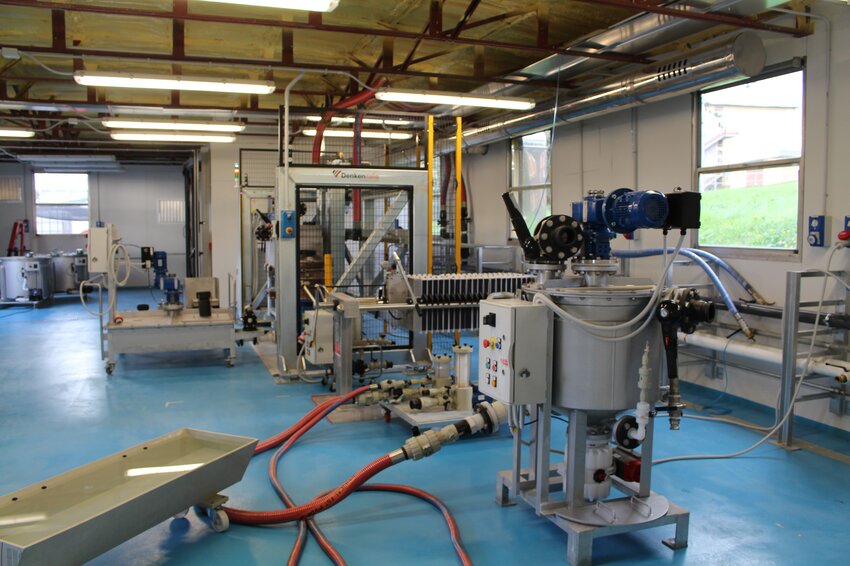
It achieves a recovery efficiency of 95% for precious and critical metals contained in electronic circuit boards. It also stands out for its product-centred approach, which goes beyond traditional thinking by analysing the complex architecture of the product to be recycled in order to selectively target the extraction of various individual high-value and critical resources, such as gold, silver, palladium and rare earths.
To bring this process to an industrial scale, the pilot demonstration phase must be moved beyond by ensuring the stability of incoming raw material flows through the consistent and selective collection of WEEE, establishing technical and financial partnerships with companies in the sector, and streamlining the authorisation process for new recovery plants.
From recovery to transformation: initiatives such as LANDFEED aim to make the most of agri-food waste, agricultural residues and other waste streams. What opportunities do these solutions offer?
Projects such as LANDFEED prove that waste can become a strategic resource. The aim is not simply to recover waste but to transform it into new products with high added value, such as bio-fertilisers and organic soil improvers. This helps to reduce dependence on imported raw materials and fertilisers and to strengthen the sustainability of agri-food supply chains.
From this perspective, community and neighbourhood composting also plays a key role, helping to reduce transport, emissions and management costs while restoring organic matter to the soil, creating value for the local area. It is a circular economy model that can involve cafeterias, businesses, small municipalities and local communities.
ENEA contributes to this process by developing and testing innovative technologies, such as sensor-equipped electromechanical composters capable of ensuring rapid, controlled processes free from environmental risks, and by supporting local authorities in defining protocols and regulations to guarantee the quality and safety of the resulting products.
The main challenge is, in fact, moving from pilot schemes to large-scale implementation: for these products to compete with conventional ones, they must offer consistent performance, certified quality and full safety in terms of health and the environment. Clear standards, simplified authorisation procedures and tools that bolster the confidence of farmers, businesses and consumers are needed: only then can waste recovery become a tangible driver of competitiveness, resilience and self-sufficiency for the national production system.
- You may also be interested in: Biotech and the circular bioeconomy: how to turn opportunities into industry
Digitalisation can support the circular economy by creating connections and making the benefits measurable. How important is it to have shared methodologies?
Shared, scientifically validated methodologies are essential, firstly to prevent greenwashing, and secondly to ensure the certainty and consistency of the regulatory framework in which businesses operate.
Decarbonisation is one of the pillars of the ecological transition, yet almost half of climate-altering emissions stem directly from the production of goods and services and, more generally, from the production and consumption of materials.
The TE3C software, developed by ENEA in collaboration with Utilitalia, allows users to assess, for example, the benefits in terms of energy savings and CO₂ emissions associated with using a specific stream of secondary materials rather than a corresponding quantity of primary materials, with an assessment of these parameters throughout their life cycle, “from cradle to market”.
So how do we avoid making measurement merely a theoretical exercise?
Data must be included in the decision-making processes of businesses and institutions: in sustainability reports, in green public procurement (GPP) criteria, in incentive schemes and in industrial policies.
New economic tools capable of recognising the environmental benefits generated by the use of recycled materials could also play an important role in this regard. The aim is to ensure that those who invest in the circular economy not only generate environmental benefits for the community, but can also achieve a measurable economic return through mechanisms similar to those of White Certificates and carbon markets.
The national and European debate is moving precisely in this direction: in particular, Italy has proposed the introduction of such tools within the framework of the Circular Economy Act, currently at the centre of institutional discussions.
The circular transition requires not only efficient technologies but also new ways of collaborating between businesses, local areas and waste management operators, as evidenced by projects such as MEDWISE. Which organisational models do you consider most promising?
Projects such as MEDWISE show that the most effective innovative solutions arise when businesses, utility companies, local authorities and research centres work together to make the most of resources that would otherwise be considered waste.
The most promising organisational models are based on industrial symbiosis and cooperative local governance, where one company’s waste becomes another’s resource. To facilitate this process, practical tools are needed, such as the Industrial Symbiosis Meta-Platform developed in collaboration with MASE, designed to match the supply and demand for resources and to promote circular eco-districts, supported also by the Hub4Ait portal for mapping production ecosystems.
There are, however, a number of challenges. Regulatory fragmentation often makes the reuse of materials complex; many companies are still reluctant to share data and information on their production processes; and, above all, there is a lack of a widespread network of organisations capable of facilitating collaboration between local stakeholders. This is why, alongside technology, new skills and governance models are necessary to support the emergence of collaborative industrial ecosystems.
What is the main bottleneck today in transferring circular technologies from the laboratory to the market, and how can it be overcome?
The main bottleneck is the so-called “valley of death” in innovation: the critical transition between technological demonstration and large-scale industrial application.
Many promising technologies come to a halt at this stage, due to the high initial investment required, regulatory uncertainty and the often lengthy timescales involved in obtaining authorisations and gaining market access. To overcome this, open research infrastructures are crucial, as they enable companies, particularly SMEs, to test and validate technologies before investing.
ENEA’s major strategic investments are heading in this direction, such as the new Hub MPC research infrastructure dedicated to the recycling of critical raw materials, eco-design and the development of innovative materials with low environmental impact: not only will it be a centre for research and experimentation, but also a hub for technology transfer, training and collaboration between businesses, universities and research bodies.
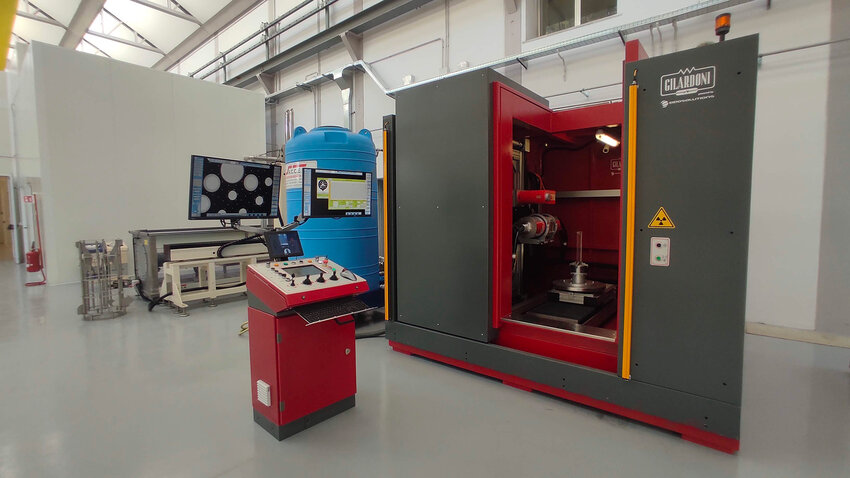
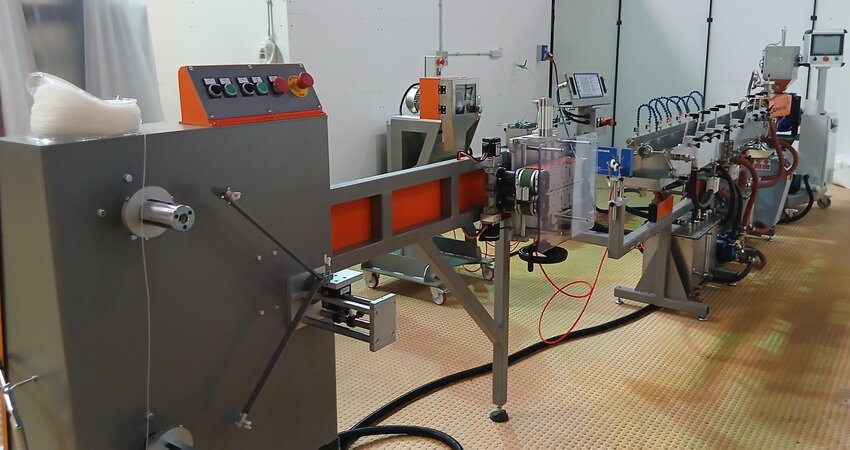
The truly distinctive feature is its integration with other major ENEA infrastructures, such as MAIA, dedicated to advanced materials; PRISMA, focused on plastics recycling; and the ROMEO experimental plant. Together, they form a unique ecosystem that supports businesses throughout the entire innovation cycle: from sustainable product design to verifying its recyclability, from raw material recovery to the production of new components using advanced manufacturing technologies.
This gives companies access to a comprehensive programme of experimentation and validation that reduces industrial risk and accelerates time-to-market: this is the decisive step in transforming research into competitiveness, skilled employment and technological sovereignty for the country.
- You may also be interested in: The future of farming: producing better with fewer resources. The example of water conservation
More advanced technology is not necessarily more circular if it requires a lot of energy, produces waste that is difficult to manage, or recovers materials for which there is no market. How can we assess the overall impact of the solutions developed?
When assessing whether a technology is truly circular, it is necessary to adopt a systemic approach that goes beyond simple recycling rates. A solution is sustainable only if the overall balance between resources consumed and emissions avoided is net and effective throughout its entire life cycle.
At ENEA, we apply a rigorous methodological approach based on Life Cycle Assessment (LCA), integrated with cost analysis (LCC) and socio-economic impact analysis. In this context, the Italian LCA Database plays a strategic role, developed to provide the country with a practical, shared and interoperable tool for assessing the life cycle of products, processes and services.
Nevertheless, measurement alone is not enough. It is also necessary to ensure transparency and credibility for the innovative solutions entering the market. For this reason, ENEA has contributed to the development of the European ETV (Environmental Technology Verification) scheme, allowing for independent verification of the environmental performance and benefits claimed by eco-innovative technologies, offering greater confidence to businesses, investors and the public sector.
Ultimately, a technology is not sustainable simply because it recovers more, but because it generates an overall environmental, economic and social benefit that is greater than the available alternatives. True innovation does not consist in maximising a single performance metric, but in improving the overall balance of impacts throughout the entire life cycle.
Article written by Emanuele Bompan
This blog is a joint project by Ecomondo and Renewable Matter
Credits
Photo by ENEA
PUBBLICAZIONE
29/10/2026
Altre news correlate

06/07/2023
5 Start-up circolari da non perdere

03/04/2025
5 under 30 che hanno rivoluzionato l'economia circolare

23/04/2025
7 giovani under 30, leader della green and circular economy
05/12/2024
7 trend nell'economia green che definiranno il 2025

15/12/2024
AI, big data e tecnologie predittive per la Blue Economy
30/05/2023
Acqua in Europa: come affrontare il cambiamento climatico

17/12/2025
Africa, frontiera della prossima economia verde

29/04/2025
Agricoltura di precisione: quali vantaggi offre e come può sostenere i paesi del Nordafrica?

10/05/2024
Alluvione in Emilia-Romagna, un anno dopo

26/11/2025
Aziende: come comunicare la transizione nell’era del greenlash?

24/04/2025
Batterie al sodio: la tecnologia che può rendere l'UE più indipendente dai materiali critici

29/01/2026
Benessere e felicità: quando la scienza incontra impresa, società e natura

23/06/2026
Bioeconomy in North Africa: Between Resource Abundance and Structural Constraints in Tunisia, Morocco, and Egypt
07/04/2026
Bioenergy and industrial ecosystems: models and research projects in Europe