
Droughts, floods, pollution and outdated infrastructure are threatening Europe's water security. A Sweco report sets out six priorities and strategies to strengthen resilience.
On the one hand, excessive rainfall, increasingly frequent and intense; on the other, long and difficult periods of water scarcity; and then there is the persistent pollution of this precious resource: these are the three factors exerting pressure on Europe’s water security, as highlighted in the report “Too much, too little, too polluted – Taking on Europe’s water challenges” by Sweco Group, a European engineering and architectural consultancy firm. In addition to climate change and the presence of contaminants, growing demand from the population and the gradual ageing of infrastructure are further straining Europe's drinking water and wastewater systems. As a result, around one third (30%) of the inhabitants of the Old Continent are exposed to some form of water stress, even in regions that have historically enjoyed ample supplies, such as Sweden or the Netherlands.
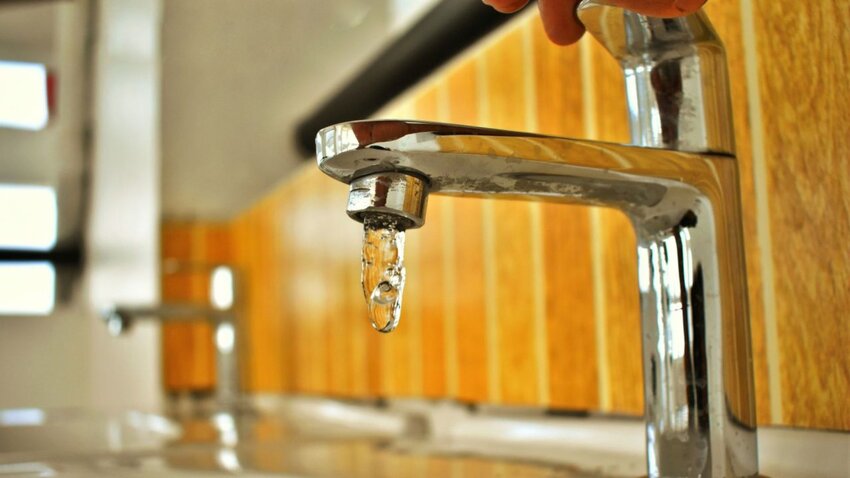
Europe and water: the current situation
A few figures are enough to paint a picture of the situation. In 2024 (Copernicus/WMO European State of the Climate 2024), around a third of Europe’s river network exceeded the alert threshold due to extreme rainfall. It was the most widespread flooding since 2013: it affected around 413,000 people, claiming at least 335 lives, and caused damage amounting to 18 billion euros, jeopardising public safety, the economy and the environment.
In contrast, as the 2026 summer also demonstrated, a severe shortage is developing: water stress affects around 20% of Europe’s territory each year, depending on a combination of factors such as seasonal droughts, high population density and increasing competition between the agricultural, industrial and domestic sectors.
Additionally, significant wastage results from leaks in ageing pipework, occurring even before the water reaches the taps: the average figure for unaccounted-for water, which may also include quantities used for maintenance, street cleaning, public buildings, firefighting, etc., stands at around 20% of treated water (in Italy, this figure reaches 42.4% in urban networks, according to Istat).
Finally, quality: urbanisation and industrialisation are transforming water systems into conduits for pollution. They range from traditional pollutants (nitrates and phosphates) derived from agricultural run-off, causing toxic algal blooms that harm ecosystems, to emerging micropollutants, such as PFAS (or forever chemicals), pharmaceutical residues and industrial chemicals. Only 38% of surface water bodies achieve a good or high ecological status, while the estimated healthcare cost of PFAS is between 52 and 84 billion euros per year.
The importance of water tariffs
When considering Europe’s future resilience, the issue of funding is crucial, given that in many EU countries current tariffs often cover only a fraction of the actual cost required to provide safe services and tackle climate change. With a European average of €3.6/m³, there is a significant disparity: rates range from around €1.2/m³ in Bulgaria to €9.3/m³ in Denmark. The data shows that higher tariffs tend to encourage lower per capita consumption, and vice versa: Italy has tariffs below €2/m³ and a per capita consumption of 200–230 litres per day, the highest figure in Europe.
Nevertheless, these current low tariffs rarely reflect the resource’s value in terms of health, ecosystems and future risks, resulting in a chronic underinvestment in network efficiency. New environmental challenges will exacerbate the situation: the mandatory implementation of advanced (quaternary) treatment to remove micropollutants such as PFAS will result in an estimated increase in domestic costs of around 6% (raising the average to €3.8/m³), disproportionately affecting in particular those countries that currently pay the least for water.
From crisis management to integrated approach
In spite of the challenges, according to Sweco, solutions to strengthen the resilience of European water systems already exist and can essentially be divided into three strategies, albeit interconnected ones. The first is integrated management, based on the basin-scale approach and overcoming isolated interventions that focus solely on the final stage of the process. The approach must include a multi-barrier system, capable of controlling chemical emissions and establishing protection zones around the most vulnerable water sources.
The second strategy focuses on investment in modern, climate-resilient infrastructure: the idea is to move away from “fighting” water towards “making space for it” through models such as “sponge cities”. This requires numerous measures: increasing water retention capacity through permeable surfaces, enhancing resilience through nature-based solutions, improving rainwater management, implementing circular water systems, reducing network leaks, and extending treatment systems to manage micropollutants.
- You may also be interested in: Sponge city, a water management model for urban sustainability
The third cornerstone is governance and community engagement. As with the circular economy, this means creating innovative communication platforms to raise public awareness, pairing infrastructure projects with greater public participation and giving citizens an active role in protecting water resources.
Six priorities for water resilience
Based on these observations, Sweco has identified six specific priorities for Europe: ensuring that water-related risk assessment becomes a standard requirement in planning, authorisation and investment decisions; protecting water at source, preventing pollution from reaching groundwater and surface water; managing the urban water cycle from source to tap, replacing measures focused exclusively on downstream stages with a multi-barrier approach; planning the financing of water infrastructure renewal through risk- and priority-based asset management; monitoring pollution and emerging contaminants through stricter regulation and advanced treatment technologies; and, finally, recognising the true value of water by aligning tariffs and investments with long-term costs and risks.
- You may also be interested in: The crucial battle for water is playing out in Brussels
Only by recognising the environmental, social and economic value of this resource, and targeting investments accordingly, can Europe guarantee access to clean water in a climate that is undergoing profound change.
Article written by Maria Carla Rota
This blog is a joint project by Ecomondo and Renewable Matter
Credits
Photo by Nithin PA
PUBBLICAZIONE
24/08/2026
Altre news correlate

06/07/2023
5 Start-up circolari da non perdere
03/04/2025
5 under 30 che hanno rivoluzionato l'economia circolare

23/04/2025
7 giovani under 30, leader della green and circular economy
05/12/2024
7 trend nell'economia green che definiranno il 2025
15/12/2024
AI, big data e tecnologie predittive per la Blue Economy
30/05/2023
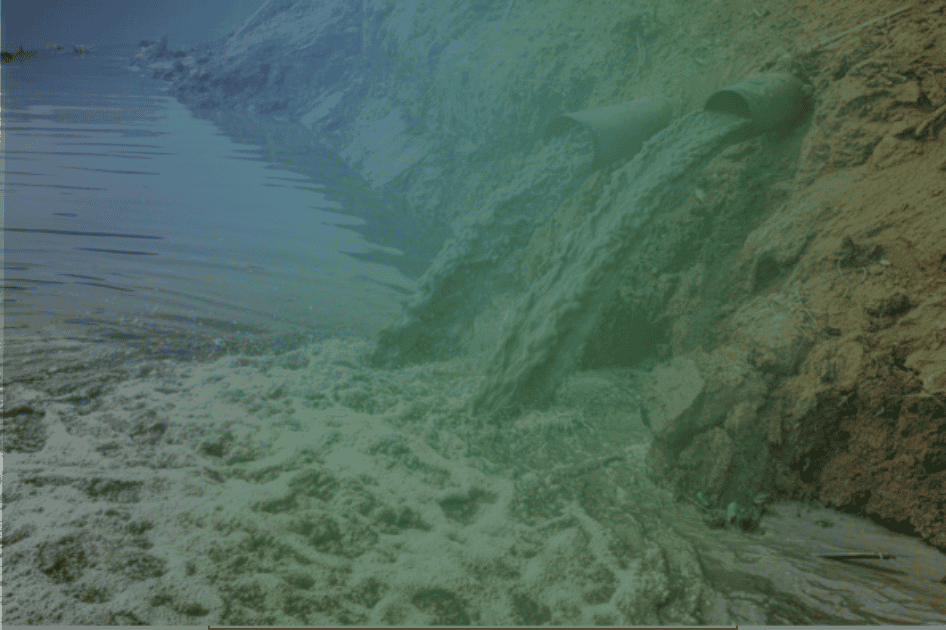
Acqua in Europa: come affrontare il cambiamento climatico

17/12/2025
Africa, frontiera della prossima economia verde
29/04/2025
Agricoltura di precisione: quali vantaggi offre e come può sostenere i paesi del Nordafrica?
10/05/2024
Alluvione in Emilia-Romagna, un anno dopo

26/11/2025
Aziende: come comunicare la transizione nell’era del greenlash?
24/04/2025
Batterie al sodio: la tecnologia che può rendere l'UE più indipendente dai materiali critici

29/01/2026
Benessere e felicità: quando la scienza incontra impresa, società e natura

23/06/2026
Bioeconomy in North Africa: Between Resource Abundance and Structural Constraints in Tunisia, Morocco, and Egypt
07/04/2026
Bioenergy and industrial ecosystems: models and research projects in Europe